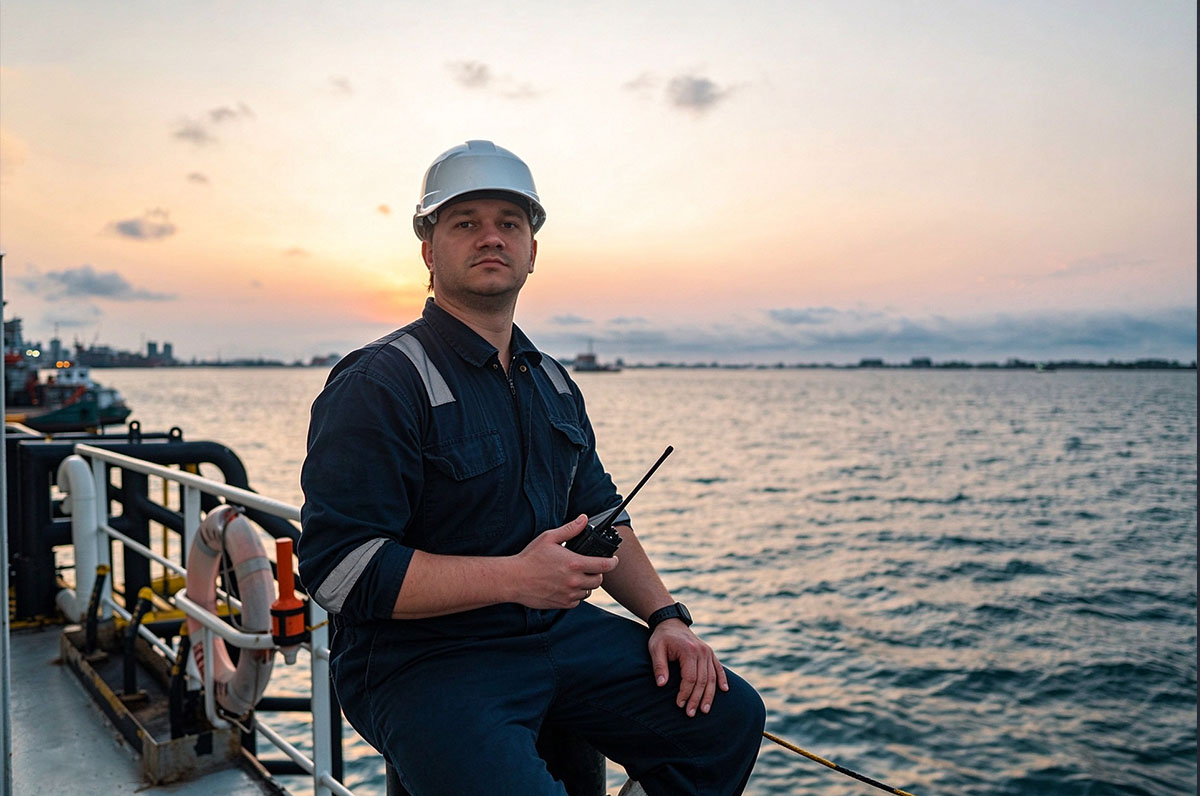
Maritime VHF radios, essential safety communication gear for sailing
The marine environment is full of uncertainties. Situations like waves, dense fog, and being far offshore can completely disable regular mobile communications. Unlike land-based walkie-talkies, maritime VHF radios are designed according to international maritime communication standards. They are built for high humidity, salty fog, and rough conditions at sea, making them the recognized and universally used basic communication tools in the maritime field. Whether it’s an ocean-going cargo ship, a nearshore fishing vessel, a leisure yacht, or an offshore construction platform, equipping stable and reliable maritime VHF equipment is not only a regulatory requirement but also a key choice for ensuring the safety of crew and property at sea. 1. Following International Maritime Communication Standards: Channel 16 is the global distress monitoring channel In the channel system of maritime VHF, Channel 16 (156.800 MHz) is the internationally recognized distress and safety call channel, something every sailor must remember. During navigation, all vessels need to keep Channel 16 monitored. If a vessel encounters collision, flooding, fire, or a man-overboard situation, it should first send a voice distress call on Channel 16. Nearby vessels and shore stations monitoring it can immediately receive the signal and coordinate rescue operations. Key point: Channel 16 is only for distress alerts and initial calls. Once the call is established, operators must switch to the designated working channel for ongoing communication. Long conversations on the distress channel are strictly prohibited to avoid blocking life-saving communication. Additionally, Channel 70 is reserved for DSC digital calls and supports only digital message transmission, not voice calls. Ports, pilots, tugs, and offshore operations also have dedicated operational channels that vessels must switch to when entering ports, docking, or conducting offshore work to ensure smooth dispatch of orders. 2. DSC Digital Selective Calling: Intelligent distress alerts with location info Modern professional maritime VHF radios come standard with DSC (Digital Selective Calling), which is a major feature distinguishing them from basic marine communication devices. Before use, vessels must apply for a compliant nine-digit MMSI maritime identification number and register it. This number acts as the vessel's unique communication ID at sea and integrates with AIS and emergency position indicator information. It cannot be arbitrarily assigned. In a maritime emergency, the crew only needs to press the red DISTRESS button on the device (with a protective cover). The radio will automatically package a distress message containing the vessel’s MMSI, GPS coordinates, type of emergency, and subsequent communication channels, sending the alert to nearby DSC-monitored vessels and shore stations. Compared to traditional voice calls, DSC alerts don’t rely on continuous manual shouting. Even if there’s no one in the wheelhouse a...
Nov 14, 2026